custom forgining parts supplier work
The versatility of a custom forging parts supplier is largely defined by the array of materials they are proficient in shaping. Forging, as a process, fundamentally enhances the strength and durability of metal by controlling its grain structure, making the choice of raw material crucial for the final application. A knowledgeable custom forging parts supplier understands that different industries and end-uses demand specific material properties, ranging from high tensile strength to corrosion resistance or extreme temperature tolerance.
One of the most commonly forged materials is steel, in its various forms. Carbon steel is a staple due to its excellent strength and cost-effectiveness, making it suitable for a wide range of industrial components. Alloy steels, enriched with elements like chromium, nickel, and molybdenum, offer enhanced hardness, wear resistance, and high-temperature performance, catering to more demanding applications in automotive and heavy machinery. Stainless steel, known for its corrosion resistance, is a preferred choice for parts in marine, food processing, and medical industries, and a skilled custom forging parts supplier can work with its unique properties.
Beyond steels, non-ferrous metals also form a significant part of a custom forgining parts supplier material repertoire. Aluminum alloys are highly valued for their lightweight yet strong characteristics, making them ideal for aerospace, automotive, and sporting goods components where weight reduction is critical. Their excellent strength-to-weight ratio and good corrosion resistance are key advantages. Titanium and its alloys, though more challenging to forge, offer unparalleled strength at elevated temperatures and exceptional corrosion resistance, making them indispensable for aerospace, medical implants, and high-performance industrial applications.
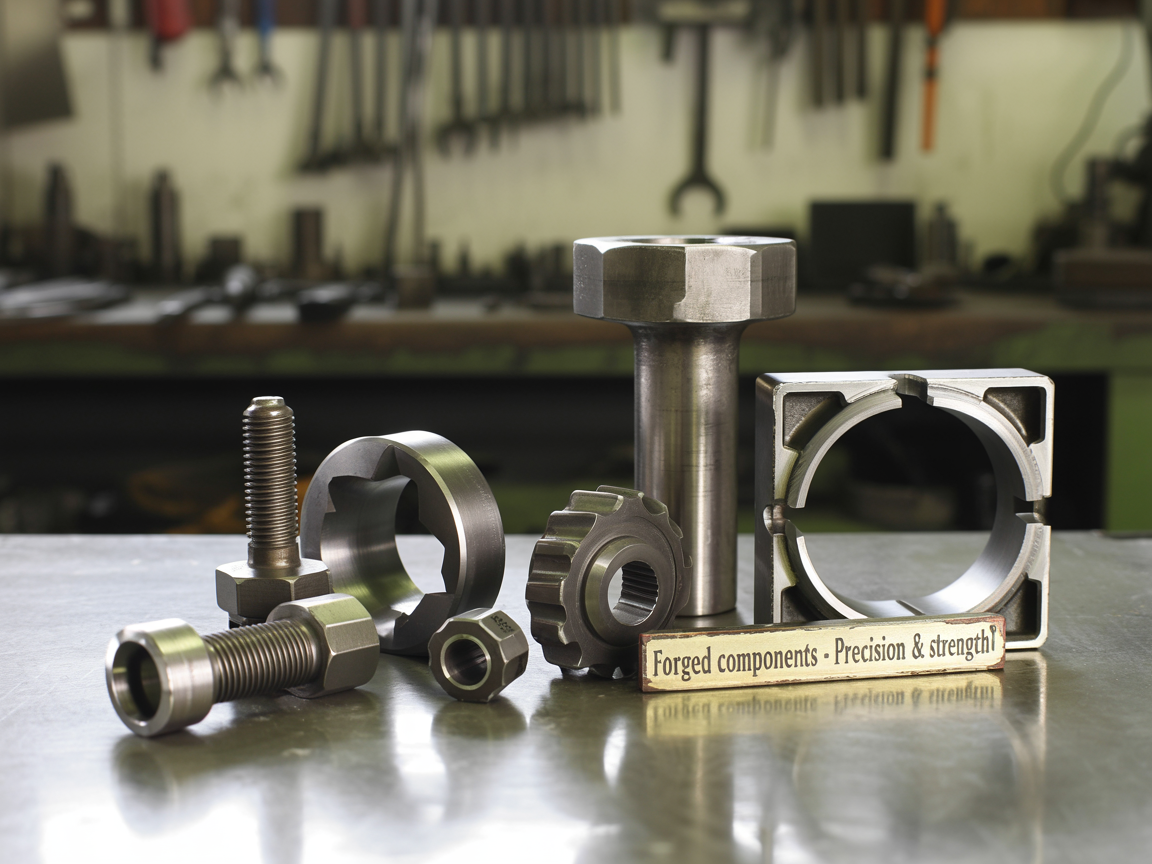
What materials can a custom forgining parts supplier work with?
Copper and its alloys, such as brass and bronze, are also frequently forged by a custom forging parts supplier. These materials are prized for their excellent electrical and thermal conductivity, good corrosion resistance, and aesthetic appeal. They are commonly found in electrical connectors, plumbing fixtures, and decorative hardware. The ability of copper to be precisely shaped through processes like drop forging allows for the creation of intricate components with superior mechanical properties, often vital for maintaining tight tolerances and ensuring long-term reliability in various electrical and plumbing systems.
Nickel-based alloys represent another specialized category that a proficient custom forging parts supplier can handle. These superalloys are designed for extreme environments, offering exceptional strength and resistance to creep, oxidation, and corrosion at very high temperatures. They are critical for jet engine components, gas turbines, and specialized chemical processing equipment where other materials would simply fail. Working with these advanced alloys requires specialized equipment and expertise due to their specific forging temperatures and deformation characteristics.
Ultimately, the capabilities of a custom forging parts supplier are not just about the forging process itself, but also about their deep understanding of material science. Their ability to advise on the most suitable material for a given application, considering factors like performance requirements, cost-effectiveness, and manufacturability, is what truly sets a reliable supplier apart. This comprehensive knowledge ensures that the forged components not only meet but often exceed the client’s expectations for quality and performance.